Sigiriya Lion's Rock: History, Facts & Complete Visitor Guide (2026)
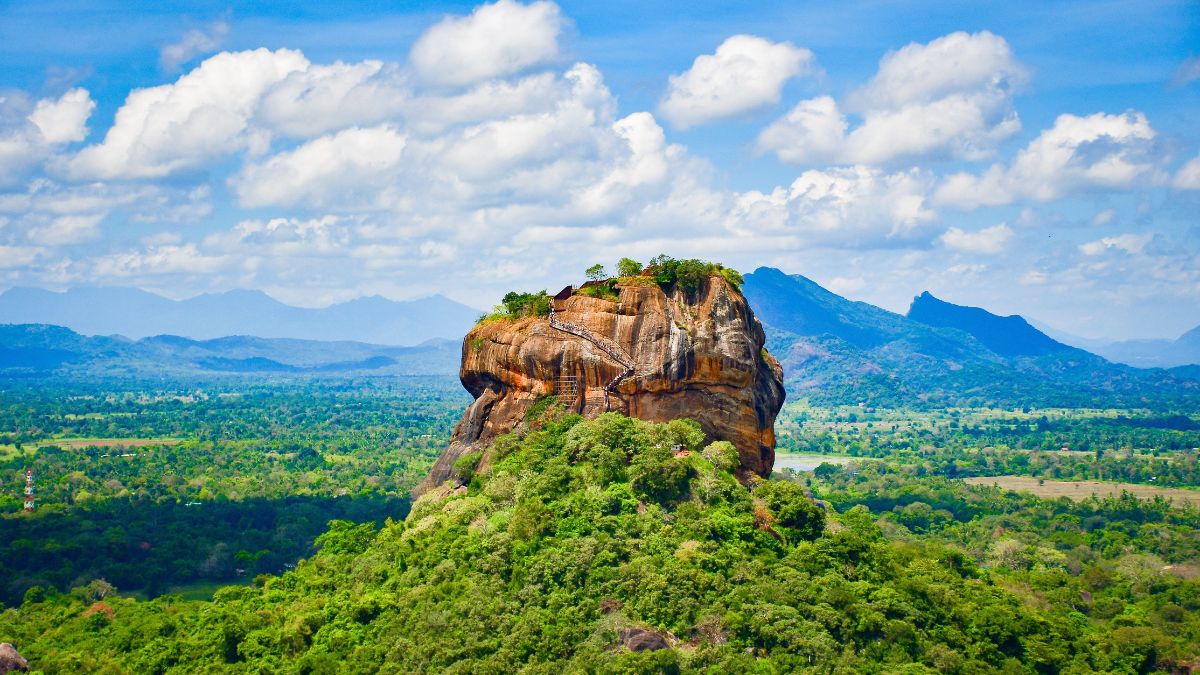
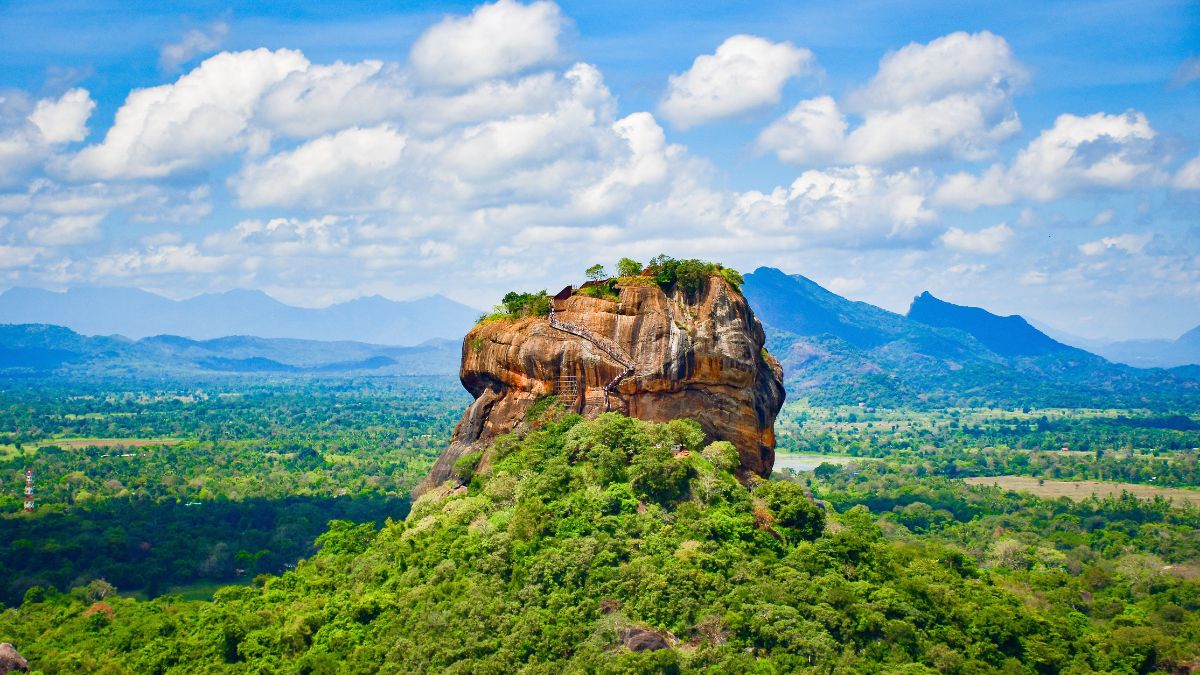
Sigiriya Lion's Rock is a 200-meter volcanic column in central Sri Lanka topped by the 5th-century palace ruins of King Kashyapa — one of Asia's best-preserved ancient urban sites and a UNESCO World Heritage Site since 1982. Here is the complete history, name origin, and visitor guide.
Essential Takeaways:
- Sigiriya means 'Lion Rock' — the name comes from the giant lion gateway that once guarded the final staircase to the summit.
- Built by King Kashyapa I between 477-495 AD as a fortified royal palace, not originally a temple.
- Entry costs $36 USD per person (foreign adults) and includes the water gardens, boulder gardens, rock paintings, mirror wall, and summit palace ruins.
- Budget 2.5-3.5 hours for a comfortable full visit including the climb, frescoes, and summit ruins.
- A private chauffeur transfer from Colombo or Kandy is the most efficient way to combine Sigiriya with Dambulla Cave Temple in a single day.
Why Is It Called 'Lion Rock'?
Sigiriya — a name derived from the Sinhala 'Sīnhāgiri', literally 'Lion Rock' — takes its name from the colossal lion statue that once framed the final staircase leading to the summit palace. Visitors in the 5th century would climb through the open mouth of a giant carved lion to reach the king's residence, a piece of architectural theatre meant to project absolute royal and divine authority.
Today only the two enormous stone paws survive on either side of the final staircase, but they remain one of the most photographed details on the entire rock and the clearest physical reason behind the 'Lion Rock' name still used interchangeably with Sigiriya in English-language travel writing.
The History: King Kashyapa's 5th-Century Palace
Sigiriya Lion's Rock was built by King Kashyapa I, who ruled from 477 to 495 AD after seizing the throne from his father, King Dhatusena. Fearing retaliation from his half-brother Moggallana (the rightful heir, who had fled to India), Kashyapa relocated the kingdom's capital from Anuradhapura to this near-impregnable 200-meter rock column and transformed its summit into a fortified royal city.
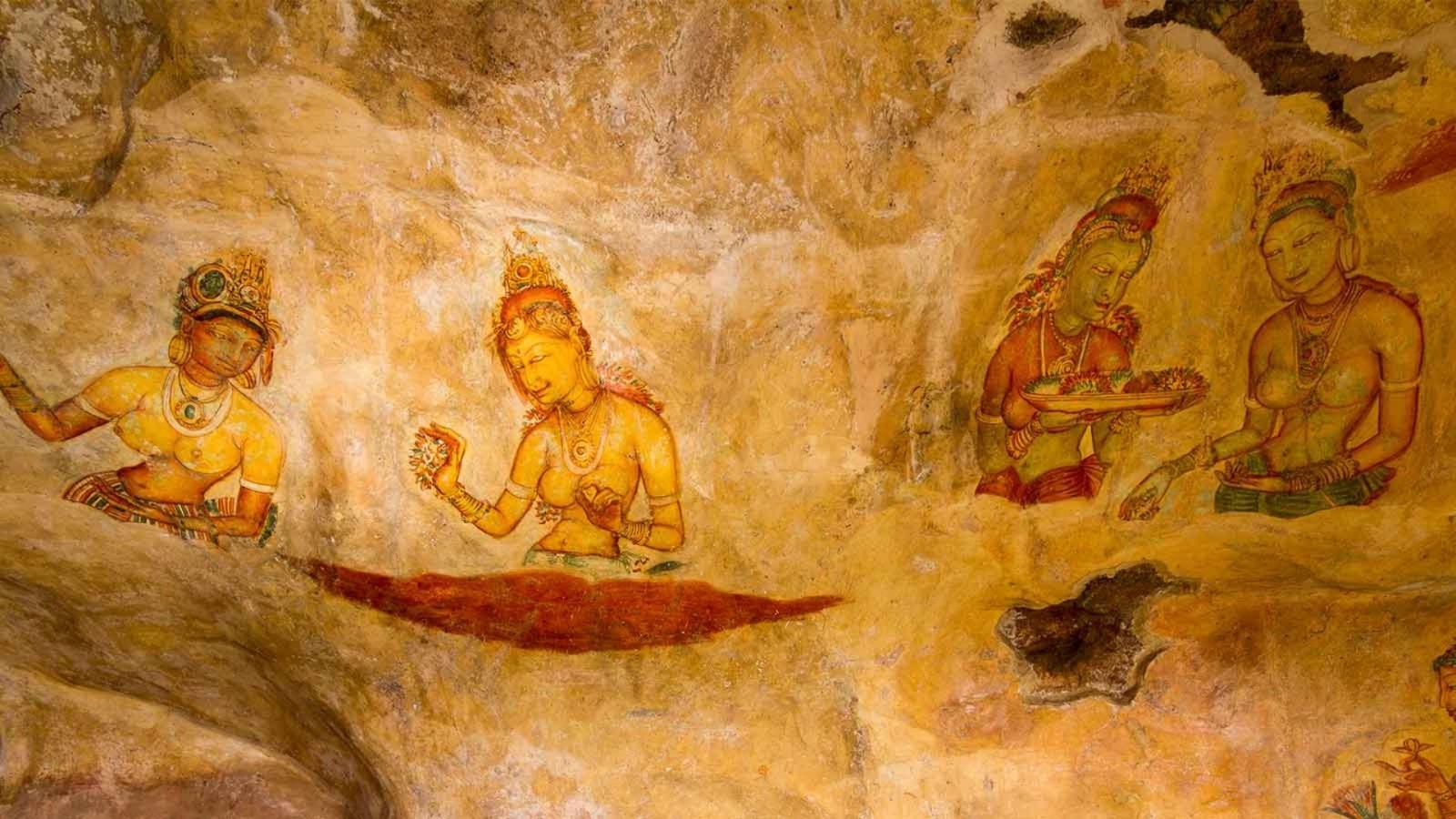
The complex he built is remarkable for a 5th-century site: a symmetrical water garden with functioning hydraulic fountains at the base, a boulder garden with rock-cut thrones and pathways, a mid-level fresco gallery and mirror wall, and a fully engineered summit palace complete with a throne, pools, and administrative buildings. After Kashyapa's death in battle, Sigiriya reverted to a Buddhist monastery for several centuries before being gradually abandoned.
UNESCO inscribed Sigiriya as a World Heritage Site in 1982, describing it as 'one of the best-preserved examples of ancient urban planning' anywhere in Asia.
Quick Facts
Height: approx. 200 meters (660 ft) above the surrounding plain • Built: 477-495 AD • UNESCO status: inscribed 1982 • Steps to the summit: approx. 1,200 • Entry fee: $36 USD (foreign adults).
What You'll See on the Climb
The visit unfolds in four distinct layers, each from a different era of the site's use: the geometric water gardens and boulder gardens at ground level, the mid-rock fresco gallery and mirror wall (see our dedicated guide to the Sigiriya Rock Paintings), the Lion's Gate with its surviving giant paws, and finally the summit palace ruins with panoramic 360-degree views over the Cultural Triangle's jungle canopy toward Pidurangala and, on a clear day, as far as Dambulla.
The ascent involves roughly 1,200 steps in total, including several steep, narrow metal staircases bolted directly onto the rock face near the top. It is not technically difficult for a reasonably fit adult, but it is exposed to full sun with very little shade, so timing your climb matters more than your fitness level.
Planning Your Visit
Sigiriya is most comfortably reached as a day trip or overnight stop from Colombo, Negombo, or Kandy, via the E04 Central Expressway. Most independent travelers underestimate the driving distance — allow roughly 3-3.5 hours each way from Colombo, which is why the vast majority of visitors combine the climb with the nearby Dambulla Golden Cave Temple in a single, well-paced private-chauffeur day tour rather than attempting it by public transport.
For the exact climbing hours, seasonal weather notes, and a full packing list, see our companion guide on the best time to visit Sigiriya, and if you're deciding between Sigiriya and the adjacent Pidurangala Peak, our climber's comparison guide breaks down cost, difficulty, and views side by side.
Need Help Planning or Adjusting Your Route?
Our professional English-speaking tourism chauffeurs monitor local road situations, safari gates, and weather conditions across Sri Lanka daily. Speak directly with our dispatch desk on WhatsApp for free itinerary advice or fixed-rate cab transfers.